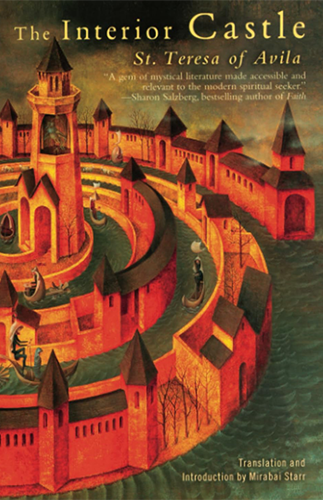
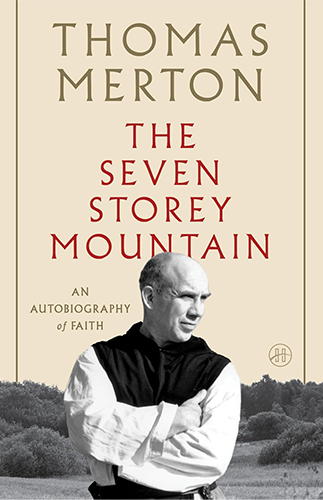
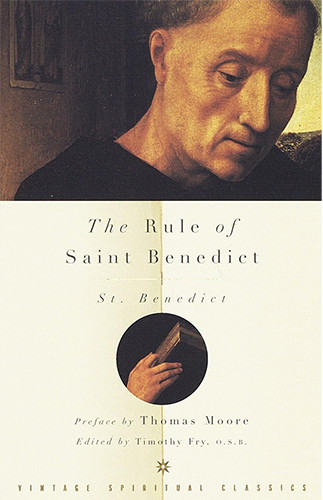

RIMP = Relationship + Identity + Mission + Purpose
One of the main tools for discerning your mission will be the R-I-M-P self-analysis tool. When combined with personal prayer, self-reflection, and various online personal inventories and questionnaires, you will see patterns develop that will help you discern your mission!
This is a comprehensive list of web links for personal self-assessment inventories, categorized by the aspect of self-discovery they address.
For each category, I’ve provided the primary official or highly-regarded free link, along with details on whether a paid/premium version is available.
| Primary Focus | Your 34 talent themes (Top 5 or Full 34). |
| Inventory Link | Gallup CliftonStrengths Assessments |
| Notes | Paid Assessment. You need to purchase an access code to take the official assessment. |
| Primary Focus | Spiritual gifts (Charisms) for building up the church. |
| Inventory Link | St. John's Catholic Spiritual Gifts Inventory |
| Notes | Free Assessment. A common, free online inventory offered by Catholic parishes. |
| Primary Focus | Core inborn personality traits and emotional tendencies. |
| Inventory Link | Temperament Quiz |
| Notes | Free Quiz. Provides instant results based on Sanguine, Choleric, Melancholic, and Phlegmatic. |
| Primary Focus | Motivations, strengths, and how strengths are overdone (become weaknesses). |
| Inventory Link | Strength Deployment Inventory (SDI) - No free public link. |
| Notes | Paid Assessment. Contact an SDI practitioner. You can read more about what it measures here: SDI 2.0 Overview |
| Primary Focus | Your preferences for taking in and processing information. |
| Inventory Link | Index of Learning Styles Questionnaire |
| Notes | Free Assessment. Based on the Felder-Soloman model. |
| Primary Focus | Your preferred "prayer personality" (e.g., Intellectual, Devotional, Service-Minded). |
| Inventory Link | Prayer Personality Inventory (PDF) |
| Notes | Free PDF Download and self-scoring tool. |
| Primary Focus | How you best give and receive emotional love. |
| Inventory Link | Official 5 Love Languages Quiz |
| Notes | Free Quiz. The official assessment for the 5 Love Languages. |
| Primary Focus | Your cognitive preferences and interpersonal style. |
| Inventory Link | 16Personalities Free Test |
| Notes | Free Assessment. The most popular free adaptation of the MBTI 16-type model. |
| Primary Focus | Matching your interests to compatible careers. |
| Inventory Link | O*NET Interest Profiler |
| Notes | Free Assessment. Provided by the U.S. Department of Labor. |
| Primary Focus | Quick assessment of your Dominance, Influence, Steadiness, and Conscientiousness. |
| Inventory Link | https://www.123test.com/disc-personality-test/ |
| Notes | Free Quiz. Takes 5-10 minutes. |
| Primary Focus | A free assessment to uncover your behavioral profile and communication style. |
| Inventory Link | Tony Robbins DISC Assessment |
| Notes | Free Assessment. Requires submitting information to get the results. |
| Primary Focus on Weaknesses/Challenges | Specific Triggers. Focuses on identifying your personal mindset trigger profile (e.g., specific scenarios or thoughts that derail you). |
| Inventory Link | Mindset Triggers Assessment |
| Primary Focus on Weaknesses/Challenges | Emotional Weakness/Neuroticism. Measures your ability to cope with stress, remain calm under pressure, and bounce back from setbacks. |
| Inventory Link | Emotional Stability Test / Quiz - Psychology Today |
| Primary Focus on Weaknesses/Challenges | Emotional Management Weaknesses. Assesses your skill in managing your own emotions (anger, stress, anxiety) and how you handle criticism. |
| Inventory Link | Free EQ Quiz From IHHP |
| Primary Focus on Weaknesses/Challenges | Darker Personality Weaknesses. Measures tendencies toward Narcissism, Machiavellians, and Psychopathy, which are interpersonal weaknesses and relational challenges. |
| Inventory Link | Free Online Dark Triad Personality Test |
| Primary Focus on Weaknesses/Challenges | Strengths/Weaknesses Overview. The free test gives you your top 5 strengths, and the results often hint at corresponding "watch-out areas" or weaknesses (the premium reports explicitly detail these). |
| Inventory Link | HIGH5 Strengths Test |
APEST Fivefold Ministry Assessment
Based on Ephesians 4:11-13, this tool helps you discern your dominant ministry gifting: Apostle, Prophet, Evangelist, Shepherd, or Teacher. Use it to: Understand your leadership style and how you build up the Body of Christ. APEST Fivefold Ministry Assessment
Oklahoma Diocese Spiritual Gifts Inventory
A Catholic-friendly inventory that helps individuals identify their charisms—spiritual gifts given for the good of others. Use it to: Discover how the Holy Spirit may be empowering you for mission in the Church and the world. Spiritual Gifts Inventory
Metanoia Catholic Temperament Inventory
A Catholic approach to understanding your temperament (choleric, sanguine, melancholic, phlegmatic) and how it affects your mindset, relationships, and spiritual growth. Use it to: Grow in virtue and self-mastery by understanding your emotional and motivational patterns. Metanoia Catholic | Temperaments Assessment
Sensory Preference Quiz How do you primarily take in information and communicate
Create the Relationship You Secretly Want How to develop healthy relationships
“I have come so that they may have life and have it to the full.” (John 10:10)
Table of Contents
Introduction: The R-I-M-P Framework
This workbook is a coaching guide designed to help you discover, form, and live well your unique God-given Relationship, Identity, Mission, and ultimate Purpose in the world. It integrates the foundational spiritual wisdom of the Spiritual Exercises of St. Ignatius of Loyola with modern psychological insights particularly in the areas of human flourishing and positive psychology.
In order to help you to discern well your mission in life we will need you to assess and reflect upon your identity. We will use a variety of questionnaires and inventories to help you accomplish this, including the important topics of: natural talents, spiritual gifts, learning & praying style, triggers and weaknesses and temperament
All of this will need to be grounded with the absolute foundation: your relationship with God, for it’s from this relationship that your true identity flows, and from your identity that your specific mission is revealed.
To put it simply: your Relationship (R) is the “Alpha”—the starting point and source of grace. Your ultimate Purpose (P) is the “Omega”—the final destination and goal of every action.
How to Use This Workbook
This workbook is a marathon journey, not just a short sprint. The real work happens not in the reading, but in the prayerful reflection, the journaling exercises, and the honest self-evaluations.
Part I: The Foundational Relationship and Ultimate Purpose (R & P)
Chapter 1: The Ultimate Purpose (Praise and Reverence)
The first step in any mission is to define its ultimate destination. St. Ignatius begins his Spiritual Exercises with the Principle and Foundation, which clearly states our Purpose (P):
“Man is created to praise, reverence, and serve God our Lord, and by means of doing this, to save his soul.”
Your ultimate purpose is union with God; therefore, we want as many parts of your daily Mission to become inspired by this purpose!
Praise: Acknowledging God’s Majesty
Praise is the primary, vertical movement of the soul toward God. It is the recognition of God’s goodness and power above all else.
Reverence: The Posture of the Soul
Reverence is the internal disposition of awe, respect, and humility toward God, recognizing Him as the creator and sustainer of all things. It is the quiet willingness to submit your will to His.
“Our hearts are restless until they rest in you, O Lord.” — St. Augustine
The Church’s Teaching
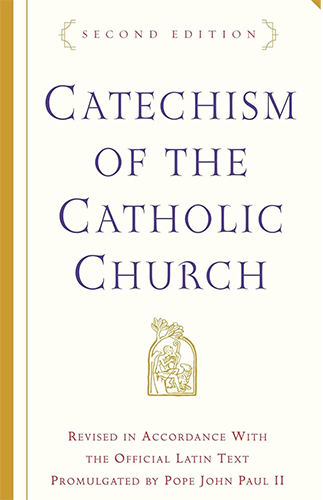
The Catechism of the Catholic Church states that the desire for God is “written in the human heart” (CCC 27). Our ultimate purpose is nothing less than “to know, love, and serve God in this life and be happy with him forever in the next” (Catholic NAB Version).
Chapter 2: The Foundation of Relationship and Prayer Style (R)
The Mission is impossible without the Relationship (R) that fuels it. This relationship is built upon grace and maintained through prayer.
Grace: God’s Initiative
The journey begins not with your effort, but with God’s gift. Grace is the life of God dwelling within you, making your ultimate purpose achievable. The more you recognize your dependence on grace, the stronger your foundation becomes.
The Practice of Prayer
Your mission will dry up without consistent communication with its source.
The Ignatian Examen
This five-step prayer is critical for daily relationship health:
“The shortest and most efficacious way to holiness is prayer.” — St. Alphonsus Liguori
Just as people communicate differently, they connect with God differently. Understanding your preferred Prayer Style can revolutionize your relationship by making prayer feel more authentic and fruitful.
Resource Box: Prayer Style Inventories
Part I: Key Insights
Before you evaluate, reflect on the core concepts from this Part:
Self-Evaluation I: Assessing your Foundation
This check-in helps you reflect on your primary focus—God’s ultimate purpose and your current relationship with Him. Rate yourself on a scale of 1 (Low) to 5 (High).
| Statement | Rating (1-5) | Notes/Action Needed |
| Ultimate Purpose: I clearly understand that my life's ultimate goal is union with God. | ||
| Praise: I regularly offer God praise and adoration, even when life is difficult. | ||
| Reverence: I maintain an internal posture of awe and respect toward God in daily life. | ||
| Relationship: My prayer life is consistent and brings me energy, not just obligation. | ||
| Prayer Style: I understand my natural prayer style and am using it to deepen my relationship. | ||
| Examen: I practice the Examen (or a similar daily review) to track my day with God. | ||